Style Your Home Without Buying: Zero-Waste Stories From What You Already Own

Today we explore Zero-Waste Home Styling: Curating Stories Without New Purchases, celebrating the art of transforming rooms through thoughtful restraint, bold rearrangements, and meaningful storytelling. Discover how to shop your home, rescue overlooked pieces, and compose cozy corners that honor memory, function, and the planet. Expect practical frameworks, encouraging anecdotes, and creative prompts that help you save money, reduce waste, and deepen your connection to the objects you already love. Share your wins with our community and subscribe for weekly inspiration.

Foundations of Zero-Waste Aesthetics

Design becomes more alive when resources are limited, because constraint invites intention, experimentation, and care. Zero-waste styling uses the objects already present, rethinking placement, roles, and relationships rather than seeking something new. We’ll ground your approach in clear principles that create spacious rooms, calm visual rhythm, and meaningful stories. Use these foundations to guide decisions, remove clutter kindly, and celebrate the patina of life lived well. Comment with your favorite principle and the piece it helped you rediscover.

Room-by-Room Transformations Without New Purchases

Refreshing a space starts with traffic flow and natural light, then layers texture, color, and story. We’ll move room by room to reveal overlooked opportunities using rearrangement, rotation, and gentle editing. Expect brave furniture shifts, unexpected textiles, and purposeful surface clearing. Photograph each before-and-after to build confidence and share progress. This process is friendly to renters, small spaces, and busy schedules, proving meaningful change grows from care, not consumption. Tell us which room you’ll start with today.

Materials, Care, and Lifespan

Zero-waste styling thrives when materials last and age beautifully. Gentle maintenance extends usefulness and reveals character, often replacing the urge to buy. This section offers friendly routines and safe, low-cost care tips using items many households already have. We focus on wood, textiles, metals, glass, and ceramics, encouraging curiosity rather than perfection. Share your favorite repair success, whether a revived tabletop, mended quilt, or polished brass pull, and inspire others to try one small restoration today.
Dust with a slightly damp cloth, then apply a light coat of natural oil, buffing in the grain’s direction. Water rings fade with gentle patience and a breathable finish. Felt pads on legs prevent scratches and quiet movement. For wobbly chairs, tighten existing screws and add a discreet wood shim cut from packaging. Celebrate scars that tell your home’s story, and photograph progress to remind yourself that care, not replacement, creates the warm glow we admire in beloved antiques.
Air out blankets over a sunny windowsill instead of overwashing, which shortens fibers’ lives. Learn a simple visible mending stitch and treat repairs as tiny artworks. Rotate cushion covers between rooms for instant novelty. Soak linens in a gentle solution of warm water, baking soda, and patience, then line-dry for a crisp finish. Store off-season textiles in breathable containers, not plastic. Share your favorite mend with a photo and note how the piece feels more yours than ever.

Styling Techniques That Cost Nothing

Great composition is a practice, not a purchase. You’ll learn how to build vignettes, balance scale, and compose with color and light using only what you already own. These techniques work on mantels, shelves, nightstands, and dining tables. We’ll borrow from photography and art to guide the eye kindly. Expect simple prompts you can repeat each season. Share your favorite arrangement with our community, and subscribe for monthly challenges that spark creativity without adding anything else to your home.

Composition: Triangles, Odd Numbers, Rhythm
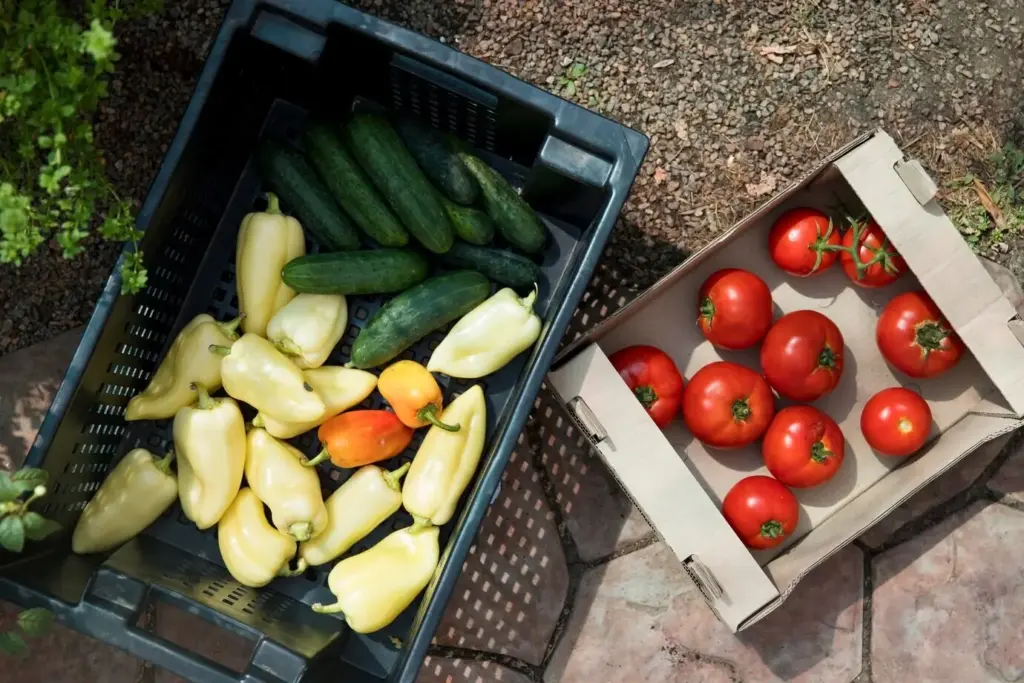
Arrange objects to form invisible triangles, creating stability and movement. Group in odd numbers for ease, and vary heights with books, boxes, or inverted bowls. Mix textures—matte clay beside glossy glass—to add depth without visual weight. Step back and squint; does your eye rest comfortably? Remove one item and breathe. A vignette succeeds when it invites curiosity and feels unforced. Share your triangle moments, and note how tiny shifts transform shelves, making familiar pieces feel newly alive.

Color: Borrow From What You Own

Pull a palette from a favorite textile or artwork, then circulate supporting items around the room. Echo a small stripe’s color in a vase, a book spine, or a candle stub. Limit yourself to three key hues plus natural materials for coherence. When something clashes, relocate rather than discard. Color becomes the gentle conductor of your home’s orchestra, guiding attention and calm. Capture a before-and-after photo to see how minor adjustments create harmony without adding a single thing.

Community, Sharing, and Local Exchange

A generous circle multiplies creativity. When you borrow, lend, swap, or repair together, fewer items are purchased and more stories are woven. We’ll show how to host friendly exchanges, build a neighborhood lending list, and find repair mentors. These gatherings feel like art openings with snacks, playlists, and laughter. Your home benefits, your budget breathes, and the landfill sighs with relief. Tell us if you’d join a local swap night, and we’ll share a simple planning checklist.

Measure Impact, Share Progress, Invite Others

Simple Waste and Budget Audit

List five items you considered buying this month and the existing alternatives you used instead. Estimate money saved and note any packaging avoided. Keep a donation box for releases, and record where items found new homes. Measure progress by feelings too—calm mornings, easier cleaning, smoother cooking. This reflection builds resilience during tempting sales. Share your top substitution and how it performed compared with what you planned to purchase, inspiring others to try a similar switch at home.

Create Circular Stations at Home

Set up small zones: a repair basket with glue, thread, and sandpaper; a swap shelf for outgoing treasures; and a staging tray for weekly styling experiments. Label each with friendly prompts. These stations make the desired action effortless, transforming intention into habit. During weekend resets, visit each station for ten minutes, then celebrate one visible improvement. Photograph your stations and share the setup. The visual reminder reinforces your practice and invites family members to participate with pride.

Share Stories Without Fueling Overconsumption

When posting your refresh, focus on process, learning, and feelings rather than shopping links. Share sources only when they are existing, borrowed, or secondhand, and invite viewers to reinterpret with what they already have. Offer clear steps, constraints you used, and honest reflections. This transparency becomes contagious and kind. Ask followers to comment with their favorite repurposed item and what memory it carries. Together we normalize slower decorating, richer meaning, and the steady joy of creative sufficiency.

Mimozulixukuhevizaku
Privacy Overview

This website uses cookies so that we can provide you with the best user experience possible. Cookie information is stored in your browser and performs functions such as recognising you when you return to our website and helping our team to understand which sections of the website you find most interesting and useful.