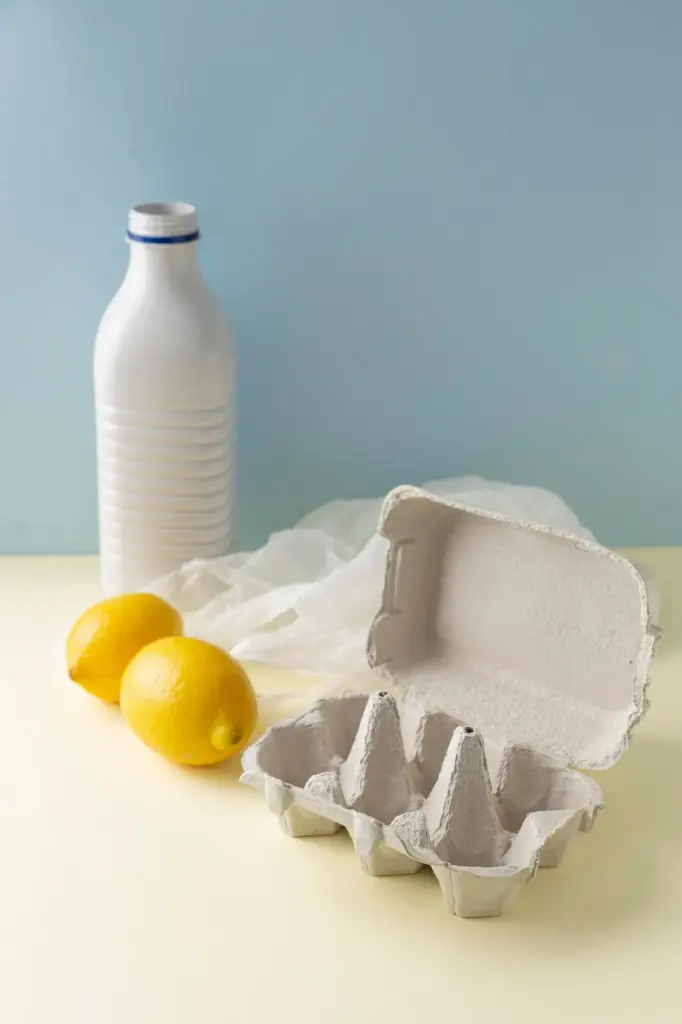
Breathe New Life into Old Beauty, Sustainably

Today we dive into eco-friendly restoration techniques for vintage wood and upholstery, blending conservation-minded methods with approachable workshop routines. Learn how to clean gently, repair reversibly, finish with natural products, and rebuild cushions and frames with planet-friendly materials. Expect practical steps, small-shop stories, and honest cautions, plus suggestions for tools and sourcing. Share your questions, post project photos, and subscribe to keep these heirlooms thriving without sacrificing air quality or character.

Wood Species, Aging, and Old Finishes

Oak, walnut, mahogany, and pine each telegraph history differently. Look for medullary rays, pores, and color shifts; sniff for shellac’s sweet note versus oil’s nuttiness. Perform tiny spot tests in hidden areas to distinguish wax, shellac, varnish, or later polyurethane. Record findings on a card taped inside a drawer. Knowing what is present prevents accidental stripping and helps you choose mild cleaners, reversible adhesives, and compatible finishes that will not haze or peel.

Fabrics, Stuffing, and Springs

Gently lift dust cloth edges and inspect what lies beneath: jute webbing tension, hand-tied coil springs, stitched edge rolls, horsehair, cotton batting, or newer foam. Burn tests on loose threads can suggest linen, cotton, wool, or rayon, but keep samples tiny and safe. Photograph tack patterns and salvage intact gimp, braid, and trim for reuse. Understanding the internal stack informs ethical choices, reducing waste while preserving the seat’s original bounce and silhouette.

Clean First, Clean Kindly

Cleaning is conservation’s quiet superpower. Start with dry methods: soft brushes, microfiber cloths, and low suction HEPA vacuuming to lift grit without burnishing grime into pores. Then test pH-neutral, plant-based soap with distilled water, moving from least aggressive to slightly stronger. Enzyme spot cleaners can lift protein stains from natural fibers, while citrus microemulsions can soften oxidized oils on wood. Work slowly, change cloths often, and stop as soon as soils release to avoid damage.

Repairs That Respect the Story

Choose methods that future hands can reverse. Traditional animal hide glue, fish glue, and casein adhesives offer strength yet release with heat, moisture, or gentle alcohol, unlike many modern polymers. Steam dents out before filling; cut Dutchman patches across the grain for disguised strength; and clamp with cauls that distribute pressure. Replace missing veneer with species-matched, old-growth offcuts when possible. The goal is stability, not perfection, leaving age visible while function is restored.

Breathing Finishes and Honest Sheen

Favor finishes that cure into thin, permeable films and can be renewed gracefully. Cold-pressed raw or polymerized linseed and pure tung oil nourish fibers with low VOCs when used sparingly and wiped thoroughly. Dewaxed shellac dissolved in alcohol builds quickly and reverses predictably, making French polishing both artful and practical. Beeswax or carnauba blends add gentle luster. Always lay oily rags flat or submerge in water after use to prevent dangerous spontaneous combustion.

Oils and Waxes that Nourish

Flooding is the enemy. Apply light coats, wait for penetration, then wipe completely to avoid tacky surfaces that grab dust. Warmth helps oils flow; patience secures durability. A final wax, buffed through cotton, refines sheen and touch. Blend beeswax with a touch of carnauba for harder wear on table edges. For coloring, pre-tone with dilute dye rather than tinting oil heavily, keeping transparency so figure dances instead of hiding beneath opaque layers.

Shellac Magic and French Polishing

Freshly mixed, dewaxed shellac in a range of cuts lets you seal, tone, and finish with elegance. French polishing uses a pad charged with shellac, alcohol, and a hint of oil to build whisper-thin layers that glow. This process is meditative, repairable, and comparatively low in toxicity. Small blooms or witness lines later can be eased with a light spirit-off. Practice on scrap first, then watch timeworn tabletops transform without plastic thickness or trapped haze.

Milk Paint, Tints, and Subtle Aging

Casein-based milk paint offers matte charm, breathability, and quick cleanup. Strain well to avoid specks, layer thinly, and burnish with brown paper for velvety smoothness. Transparent glazes from natural pigments can modulate color, while wax or soap finishes add hand-friendly tactility. For age harmony, distress with restraint where real wear occurs—edges, handles, feet—never random scratches. This creates congruence with existing patina, honoring history while refreshing tone in a way that feels believable.

Comfort with Conscience

Strip and Save Responsibly

Document every layer as you remove it: photos of stitch patterns, tack spacing, and burlap orientations become a roadmap for rebuilding. De-nail into a magnet tray, label trims, and roll salvaged hair or cotton tightly to keep fibers aligned. Protect show wood with cardboard shields while prying. If foam has crumbled, bag it immediately to prevent dust spread. This intentional pace preserves valuable components, reduces cost, and respects the hidden craftsmanship you’re about to revive.

Build Back with Natural Layers

Start with fresh jute webbing at consistent tension, then burlap, stitched edge rolls, hand-tied springs, and breathable core material shaped with needles and twine. Add cotton or wool batting, muslin, then the final fabric. Each layer should exchange air, resist mildew, and invite future repair. Avoid spray foams and brittle hot-melt shortcuts that complicate recycling. When in doubt, test comfort with a timed sit, adjusting crown height and edge firmness until posture feels effortless.

Fabric Choices for Longevity

Natural fibers wear gracefully and repair invisibly. Consider densely woven linen, cotton twill, wool blends, or recycled textiles with verified durability ratings. Pre-shrink and test for crocking to avoid dye transfer. Pattern matching across cushions and rails elevates results, while reinforced seams at stress points cut future failures. Source from mills with transparent supply chains, and keep offcuts for piping or patching. You will feel the difference every time you sit, season after season.

Quiet Tools, Clean Air, Shared Skills

A calm, low-energy shop supports both craft and health. Sharp hand planes, card scrapers, and cabinet rasps shape surfaces quietly, producing shavings instead of clouds. HEPA filtration, cross-ventilation, and P100 masks protect lungs during sanding, shellac work, and cleaning. Choose waterborne, low-VOC products when possible. Lighting that reveals raking shadows exposes scratches before finishing. Share progress, ask questions, and trade materials with peers; subscribe to updates so inspiration and accountability keep projects moving.
Mimozulixukuhevizaku
Privacy Overview

This website uses cookies so that we can provide you with the best user experience possible. Cookie information is stored in your browser and performs functions such as recognising you when you return to our website and helping our team to understand which sections of the website you find most interesting and useful.